July 7  |  2026

Midnight Snack Screenplay

Earns Semi-Finalist Honor

It's rare for a screenplay competition to share detailed feedback, but this one did. Midnight Snack was awarded Semi-Finalist, and the notes are surprisingly in-depth. Read the full review below.

Score: 93/100

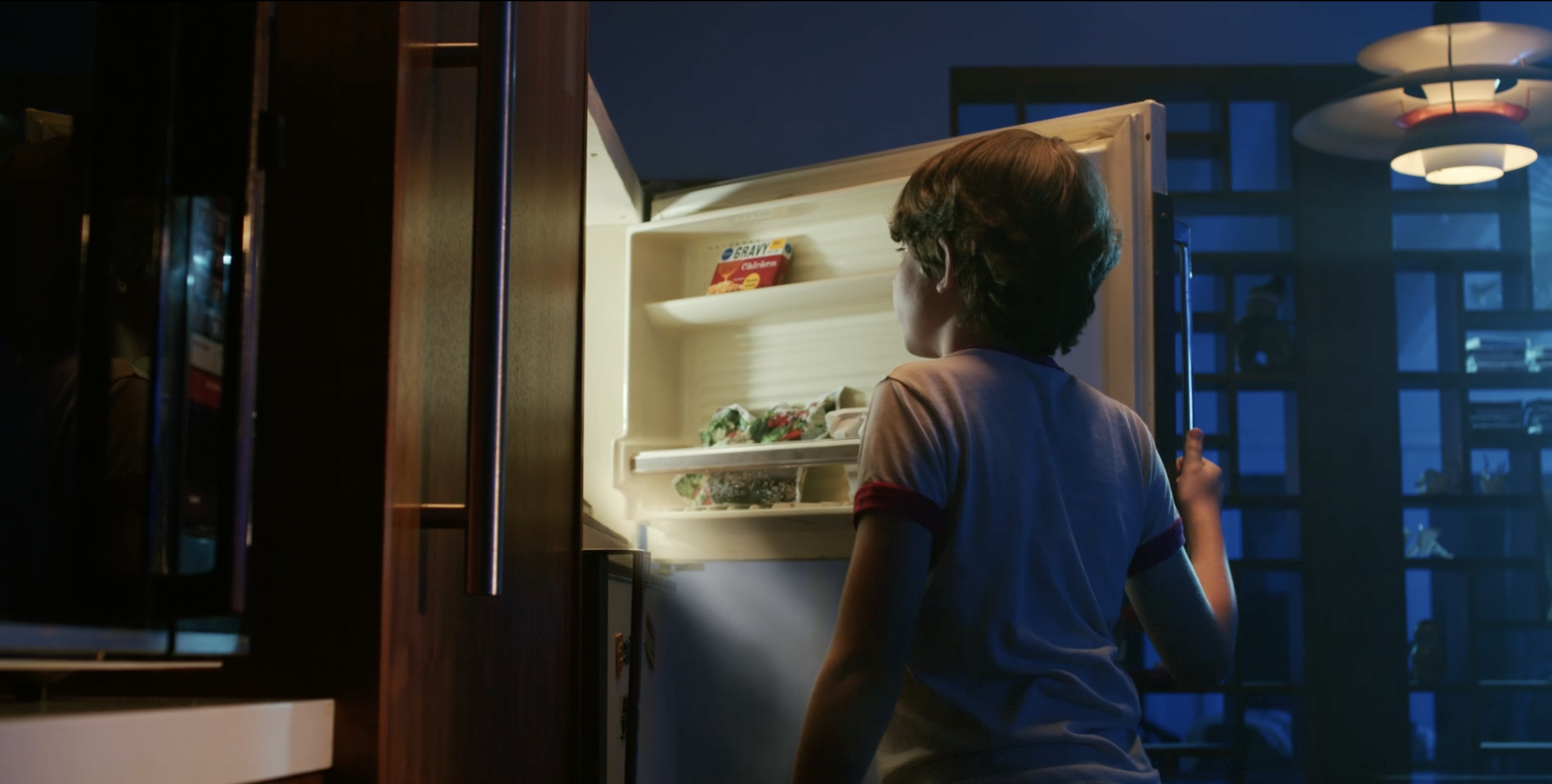
Midnight Snack is a quietly magical coming-of-age fantasy that transforms an ordinary late-night trip to the kitchen into a tender meditation on childhood wonder, friendship, and the bittersweet inevitability of change. Set during the summer of 1982, the screenplay follows ten-year-old Andy, whose nightly ritual of making pizza rolls unexpectedly leads to the discovery of a mysterious creature living inside his family's aging freezer. What begins as cautious curiosity gradually blossoms into an unlikely friendship built through handmade gifts fashioned from paper plates, allowing the screenplay to gently explore loneliness, imagination, and the fragile moments of connection that often define childhood. Without ever sacrificing its mystery, J.T. Thepnapa Chaiyakam crafts an enchanting story where the smallest acts of kindness become extraordinary acts of communication.

The screenplay's greatest achievement is its extraordinary visual storytelling. Dialogue is sparse, yet every image contributes meaningfully to the emotional progression of the narrative. The uneven hum of the refrigerator, the soft blue freezer light, melting frost, grease-stained paper plates, handmade sculptures, and Andy's patient nightly rituals gradually evolve into a visual language through which both characters communicate. Fred remains largely unseen for most of the screenplay, allowing the audience's imagination to participate alongside Andy's. By delaying the creature's appearance until the relationship has already become emotionally meaningful, the screenplay wisely prioritizes emotional investment over spectacle. The result is a fantasy grounded not in visual effects but in genuine human feeling.

Andy is an exceptionally well-observed child protagonist. His curiosity never feels artificially precocious, nor is he written with exaggerated innocence. Instead, he behaves exactly as children often do: patient, polite, persistent, and quietly accepting of mysteries that adults would immediately attempt to explain. His growing friendship with Fred develops through routine rather than dramatic incident, making every exchanged paper creation feel increasingly significant. Particularly moving is the way

Andy instinctively treats Fred with kindness and respect from the very beginning, introducing himself, thanking him for every gift, and eventually attempting to create artwork of his own despite lacking Fred's remarkable talent. Their relationship becomes one of mutual generosity rather than dependence, giving the screenplay an emotional purity that never feels sentimental.

The screenplay also demonstrates remarkable confidence in restraint. Fred is never explained, categorized, or transformed into a conventional fantasy creature with elaborate mythology. Instead, he exists almost as an embodiment of childhood imagination itself—real enough to matter emotionally, mysterious enough to remain magical. The refrigerator's gradual mechanical decline quietly parallels the approaching end of their friendship, culminating in the heartbreaking sequence where the appliance is removed while Andy watches in silent tears. The final discovery of Fred's carefully crafted star beneath the old refrigerator is one of the screenplay's most beautiful moments, transforming an ordinary household replacement into a meditation on memory and invisible acts of love. Equally satisfying is the final suggestion that wonder itself may survive change, allowing the screenplay to conclude with hope without diminishing the emotional weight of what has already been lost.

If there is a reservation, it lies only in the screenplay's intentionally modest dramatic scale. The narrative deliberately avoids larger external conflict, choosing instead to focus almost entirely on atmosphere and emotional accumulation. Likewise, Andy's family remains lightly sketched, functioning primarily as a gentle backdrop rather than active participants in his journey. Yet these choices ultimately strengthen the screenplay's delicate tone. Midnight Snack understands that childhood memories are

rarely remembered because of dramatic events, but because of the quiet rituals, secret friendships, and inexplicable moments of wonder that remain with us long after their explanations have faded. Through elegant visual writing, extraordinary emotional restraint, and a deeply humane sense of imagination, J.T. Thepnapa Chaiyakam has crafted one of the most enchanting and emotionally resonant screenplays in this season.

Strengths: Exceptional visual storytelling; beautifully sustained atmosphere; deeply authentic child protagonist; elegant use of recurring visual motifs; remarkable emotional restraint; imaginative fantasy grounded in human emotion; memorable central relationship; touching and beautifully earned ending.

Weaknesses: The intentionally intimate scope limits broader dramatic complexity; supporting family characters remain lightly developed; audiences seeking explicit mythology or narrative explanation may find the deliberate ambiguity understated; the screenplay prioritizes emotional atmosphere over plot progression.

Comparable to: E.T. the Extra-Terrestrial meets The Iron Giant, with the quiet wonder of My Neighbor Totoro, the nostalgic intimacy of A Monster Calls, and the visual tenderness of The Red Balloon.